
میں کمیشننگ سے پہلے فنکشنل ٹیسٹ کیسے انجام دوں؟
2026-06-17 بلاگ
Pre-commissioning functional tests eliminate hidden faults for process industrial sites. Meanwhile, the tests align field performance with EPC project design standards. They also reduce on-site rework for petrochemical, metallurgy and water treatment projects. Standardized steps protect pipeline safety and avoid post-startup operational downtime. This article shares field-approved test workflows for on-site engineering teams.
Pre-Test Preparation: Secure Setup for Electro-hydraulic Linkage Actuator Testing
First, lock site power and fluid supply for full site safety control. Next, inspect external wiring and hydraulic tubing for abrasion or loose joints. Then, verify hydraulic fluid grade matches factory specified viscosity standards. After that, clear foreign debris inside cylinder cavities and valve manifolds. Lastly, calibrate onsite pressure sensors and position feedback modules in advance. This prep work prevents test deviation and accidental component damage onsite.
No-Load Dry Run: Verify Basic Mechanical Linkage Coordination
After full preparation, launch a no-load test without pipeline medium pressure. First, activate low-power electric control signals to trigger linkage movement. Then, observe stroke smoothness across full open and full close travel ranges. Meanwhile, listen for abnormal friction noise from internal transmission structures. Additionally, check real-time position data against control cabinet display values. Stop testing immediately if jitter or offset position errors appear during operation.
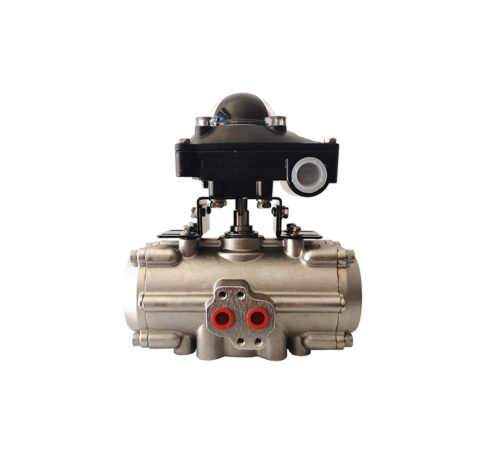
Pressure-Bound Functional Test: Match Load Conditions to Site Design Data
Following qualified dry runs, add rated hydraulic load for simulated working testing. Gradually raise system pressure to meet actual industrial pipeline operating parameters. Record response time for signal input and mechanical action output on site. Check linkage locking stability under sustained rated working pressure. This step validates adaptive performance under real working environment stress.
Interlock Signal Test: Confirm Electrical and Hydraulic Synergy
Apart from mechanical movement, test all safety interlock logic for site compliance. Trigger emergency stop signals to check instant linkage shutdown action. Simulate low oil pressure alarms to verify automatic protection startup rules. Cross-check communication signals between local panel and central control room. Qualified interlock performance meets global industrial site safety audit criteria.
Post-Test Inspection & Data Filing: Complete Commissioning Handover Work
Once all test items pass onsite verification, drain excess residual hydraulic pressure. Tighten all loosened pipe fittings generated from repeated stroke movements. Sort test data including pressure values, response speed and interlock feedback records. Submit filed documents to EPC management teams for project acceptance confirmation. Complete labeling for qualified devices before official system commissioning.
Common Minor Defects Found During Pre-Commissioning Functional Tests
Most common faults come from three controllable onsite issues. Misaligned linkage brackets cause uneven stroke movement during signal execution. Uncalibrated sensors create delayed electric-hydraulic response gaps. Impure hydraulic oil slows linkage action under high pipeline working pressure. Teams can fix these flaws fast without large-scale component replacement.
Conclusion: Standard Testing Boosts Long-Term Site Operational Stability
Complete pre-commissioning tests cover prep checks, dry runs, load tests and interlock validation. The workflow fits continuous production demands for chemical, papermaking and gas industries. For procurement and supply chain teams, standardized testing cuts after-sales maintenance costs. It also extends service life of fluid control devices across full project lifecycles. Strict testing always ensures stable, compliant operation after official commissioning.
ہم سے رابطہ کریں
پتہ: کمرہ 203-1، دوسری منزل، بلاک A، نمبر 9، شِنچِن روڈ، شِنوو ضلع، ووشی شہر، جیانگ سو صوبہ، عوامی جمہوریہ چین
موبائل: 0086-188-5271-7918
Email:william@wxaccton.com
ویب سائٹ:www.actuator-china.com