
کیا ایکچویٹر کا جسم اینوڈائزڈ ایلومینیم ہے یا سٹینلیس سٹیل؟
2026-06-26 بلاگ
Introduction to Actuator Materials
Actuator bodies are constructed from various materials, each offering unique properties. The choice of material significantly impacts performance and durability. In many industries, the actuator body is made of anodized aluminum or stainless steel. These materials are selected for their specific advantages in different applications. Understanding the differences between them is essential for making informed decisions.
Anodized Aluminum Actuator Bodies
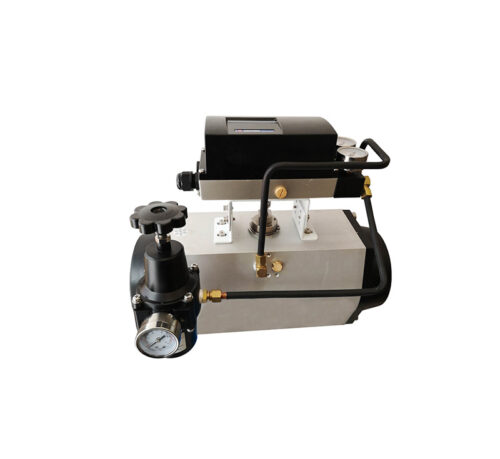
Anodized aluminum is a popular choice for actuator bodies due to its lightweight nature. The anodizing process enhances corrosion resistance, making it suitable for various environments. This material is often used in applications where weight reduction is critical. Anodized aluminum also provides a sleek, professional appearance. Its affordability and ease of manufacturing add to its appeal. However, it may not be as durable as stainless steel in harsh conditions.
Stainless Steel Actuator Bodies
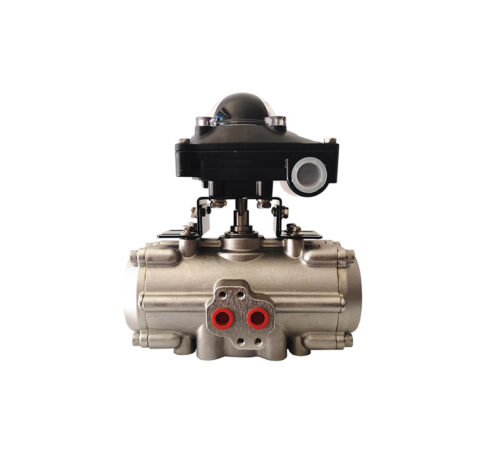
Stainless steel is another common material for actuator bodies, known for its exceptional strength and durability. It resists corrosion and maintains its integrity in extreme conditions. This makes it ideal for industries like petrochemicals and chemical processing. Stainless steel actuators are also used in environments with high humidity or chemical exposure. Despite its higher cost, stainless steel offers long-term reliability and performance.
Comparing the Two Materials
When comparing anodized aluminum and stainless steel, several factors must be considered. Weight is a primary concern, with aluminum being lighter. Durability is another key aspect, where stainless steel excels. Cost is also a significant factor, with aluminum being more economical. The intended application dictates the best choice. For instance, stainless steel is preferred in corrosive environments, while aluminum is suitable for less demanding conditions.
Industry-Specific Applications
Different industries have unique requirements for actuator bodies. In oil and gas, stainless steel is often necessary due to harsh conditions. Water treatment facilities may benefit from anodized aluminum for its lightweight properties. Paper manufacturing requires durable materials like stainless steel. Steel is also favored in metallurgical industries. Each sector must evaluate its specific needs to select the appropriate material.
Maintenance and Longevity
Maintenance plays a crucial role in the longevity of actuator bodies. Anodized aluminum requires minimal upkeep but may scratch in high-traffic areas. Stainless steel needs occasional cleaning but resists wear and tear. The choice of material affects maintenance schedules and costs. Stainless steel actuators generally have a longer lifespan, reducing replacement frequency. This factor should be weighed when making purchasing decisions.
Conclusion: Selecting the Right Material
Choosing between anodized aluminum and stainless steel depends on several factors. Industry-specific needs, environmental conditions, and budget constraints must be considered. Anodized aluminum offers affordability and lightweight design, while stainless steel provides superior durability. Selecting the right material ensures optimal performance and longevity. Consulting with experts can help make the best decision for your application.
ہم سے رابطہ کریں
پتہ: کمرہ 203-1، دوسری منزل، بلاک A، نمبر 9، شِنچِن روڈ، شِنوو ضلع، ووشی شہر، جیانگ سو صوبہ، عوامی جمہوریہ چین
موبائل: 0086-188-5271-7918
Email:william@wxaccton.com
ویب سائٹ:www.actuator-china.com