
What medium can standard pneumatic actuators adapt to?
2026-07-28 بلاگ
What Medium Can Standard Pneumatic Actuators Adapt to?
Introduction to Pneumatic Actuator Media Compatibility
First, standard pneumatic actuators serve as core components across modern industrial fluid control systems. In fact, these devices convert compressed air energy into precise mechanical motion for valve operation. Consequently, understanding their compatible media helps engineers select the right unit for each application. Moreover, media compatibility directly affects actuator lifespan, safety performance, and maintenance costs. Notably, most standard models primarily work with clean, dry compressed air as their power source. Additionally, certain designs can handle other gaseous media under specific operating conditions. This guide explores the main media types that standard pneumatic actuators reliably support.
Compressed Air: The Primary Power Medium
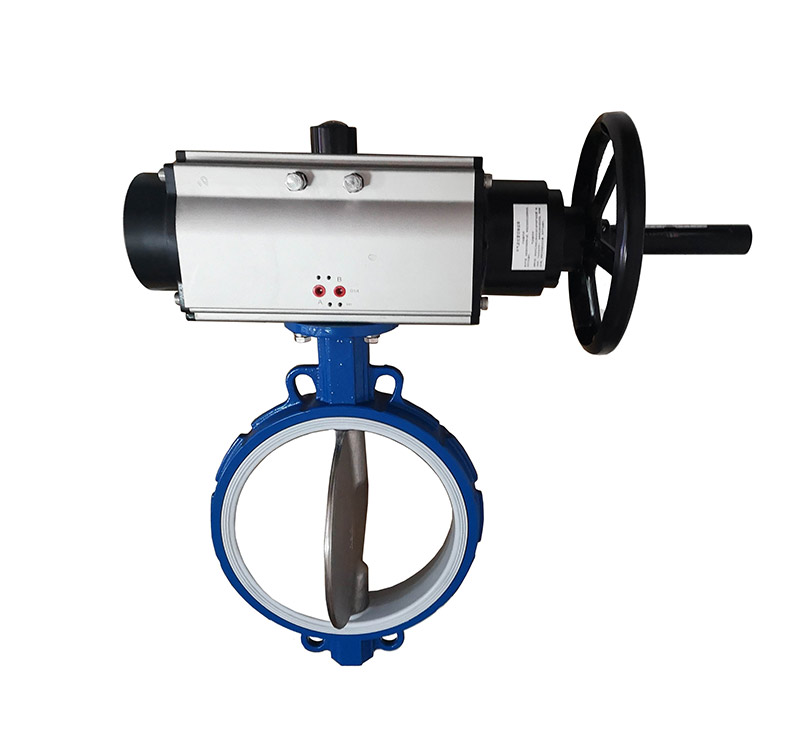
To begin with, compressed air remains the most widely used medium for standard pneumatic actuators. Specifically, clean, dry, filtered air delivers consistent performance across all industrial sectors. Furthermore, compressed air offers inherent safety benefits in explosive or hazardous environments. For instance, it eliminates electrical spark risks common in petrochemical and refining facilities. Similarly, air-powered systems respond quickly and provide reliable torque output for valve control. Additionally, compressed air is readily available in most manufacturing and processing plants worldwide. In short, standard pneumatic actuators are engineered first and foremost for compressed air operation.
Inert Industrial Gases as Alternative Media
Besides compressed air, many standard pneumatic actuators can operate with inert industrial gases. For example, nitrogen serves as a common alternative in specialty chemical and semiconductor applications. Likewise, argon works effectively in high-purity processing environments where contamination risks exist. Importantly, these inert gases share similar physical properties with compressed air. However, users must verify seal material compatibility before switching from air to other gases. Meanwhile, gas pressure levels must stay within the actuator’s rated operating range. Additionally, moisture and particulate filtration remain essential for all gaseous media types. In practice, inert gases function well as clean, non-reactive power sources for actuation systems.
Natural Gas and Hydrocarbon Vapor Applications
In certain cases, standard pneumatic actuators can adapt to natural gas or hydrocarbon vapor media. Nevertheless, this application requires specific model certifications and material modifications. For example, ATEX or IECEx certified units handle flammable gas environments safely. Furthermore, internal seals must resist hydrocarbon exposure to prevent degradation over time. Notably, oil and gas facilities often use instrument gas derived from process streams for actuation. However, proper filtration and drying systems are absolutely critical in these setups. Similarly, pressure regulation must maintain stable levels within manufacturer specifications. Overall, hydrocarbon-based media work only with appropriately rated pneumatic actuator models.
Liquid Media: Limitations and Special Considerations
Unlike gaseous media, standard pneumatic actuators generally do not operate with liquid power sources. Specifically, these devices rely on compressible fluids to generate controlled linear or rotary motion. Consequently, incompressible liquids like water or oil require hydraulic actuator designs instead. However, some process liquids may interact with actuator external surfaces during installation. For instance, chemical plant environments expose actuators to various corrosive liquid splashes. Therefore, housing materials like stainless steel or coated aluminum provide necessary protection. Additionally, seal technology prevents external liquid ingress into internal actuator components. In summary, standard pneumatic units use gas for power but withstand limited liquid exposure externally.
Steam and High-Temperature Gas Compatibility
Moving on, standard pneumatic actuators have limited tolerance for steam or very high-temperature gases. Typically, conventional seal materials degrade rapidly above their rated temperature thresholds. For this reason, high-temperature applications often require specialized heat-resistant seal upgrades. Moreover, heat dissipation designs and extended yoke configurations help isolate actuators from hot valves. Notably, saturated steam systems rarely use direct pneumatic actuation without thermal barriers. However, moderately warm process gases within rated limits work with standard models. Additionally, proper ventilation and ambient cooling extend actuator life in warm operating environments. In essence, temperature ratings define the upper boundary for all gaseous media compatibility.
Corrosive Gas Environments and Material Selection
Furthermore, corrosive gases present unique challenges for standard pneumatic actuator installations. For example, chlorine, hydrogen sulfide, or acidic vapors can damage standard aluminum housings. Therefore, users in chemical processing industries often select stainless steel body versions. Similarly, specialized elastomer seals resist chemical attack from aggressive gaseous media. Importantly, material compatibility charts help match actuator construction to specific corrosive gas types. Additionally, protective coatings provide an extra layer of defense against mild corrosive atmospheres. However, severely corrosive media may require fully customized actuator solutions instead. In practice, standard units handle mildly corrosive gases with appropriate material upgrades.
Filtration and Quality Requirements for All Media
Regardless of the medium type, proper filtration and quality control remain essential for reliable operation. First, particulate removal prevents abrasive damage to internal cylinder walls and seals. Second, moisture extraction prevents corrosion and ensures consistent pressure delivery. Third, oil content must match manufacturer specifications for proper lubrication. Similarly, pressure regulators maintain stable output within the actuator’s designed range. Moreover, regular maintenance schedules help monitor media quality over extended service periods. Additionally, filter regulators with automatic drains simplify upkeep in remote installations. In conclusion, clean, regulated, dry media maximizes both performance and service life for any pneumatic actuator.
Conclusion: Matching Media to Application Requirements
In conclusion, standard pneumatic actuators primarily adapt to compressed air and select gaseous media. Specifically, clean dry air delivers optimal performance across most industrial valve control applications. Furthermore, inert gases like nitrogen work well with standard seal materials. Additionally, natural gas and hydrocarbon vapors function with properly certified and modified units. However, liquid media require hydraulic alternatives rather than standard pneumatic designs. Similarly, high-temperature and corrosive gases need specialized material upgrades for reliable operation. Ultimately, consulting manufacturer specifications ensures correct media compatibility for each unique project. By selecting the right medium and maintaining quality standards, industrial operators achieve efficient, long-lasting pneumatic actuation performance.
ہم سے رابطہ کریں
پتہ: کمرہ 203-1، دوسری منزل، بلاک A، نمبر 9، شِنچِن روڈ، شِنوو ضلع، ووشی شہر، جیانگ سو صوبہ، عوامی جمہوریہ چین
موبائل: 0086-188-5271-7918
Email:william@wxaccton.com
ویب سائٹ:www.actuator-china.com