
How to improve the response speed of pneumatic actuators?
2026-08-17 بلاگ
How to Improve the Response Speed of Pneumatic Actuators
Pneumatic actuators play a critical role in modern industrial automation systems. In fact, many manufacturing processes depend on their fast and reliable performance. For this reason, even small delays in response time can affect overall production efficiency. This guide explores practical methods to boost the response speed of pneumatic actuators across various industrial settings.
Optimize Air Supply Pressure and Volume
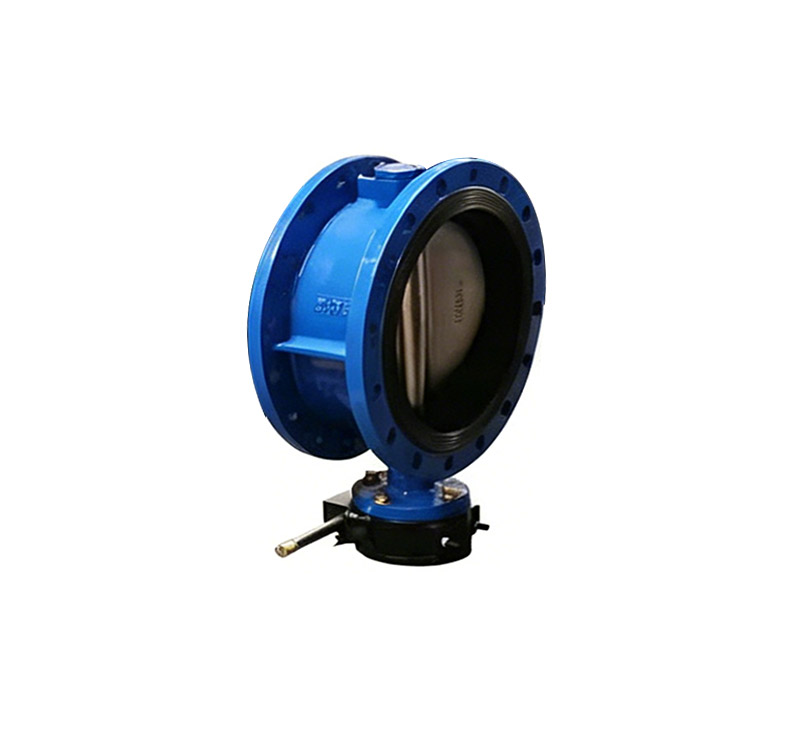
First of all, proper air supply pressure forms the foundation of fast actuator response. When supply pressure falls below recommended levels, actuators move more slowly and lose positioning accuracy. Similarly, inconsistent pressure creates unpredictable delays during critical operation cycles. Therefore, facility teams should maintain stable pressure within the manufacturer’s specified range.
Besides pressure, adequate air volume also matters a great deal. Smaller supply lines restrict airflow and cause pressure drops at the actuator inlet. For example, undersized tubing forces the system to work harder to fill the actuator chamber. As a result, the valve takes longer to shift and complete its intended stroke. Upgrading to appropriately sized piping often delivers noticeable speed improvements.
Reduce Tubing Length and Minimize Restrictions
Furthermore, shorter tubing distances directly translate into faster actuator response. Air travels less distance when the control valve sits closer to the actuator itself. In contrast, long tubing runs increase the volume of air that must move before action begins. Consequently, response time grows with every additional meter of pipe in the circuit.
In addition, flow restrictions throughout the system slow down pneumatic performance. Elbows, narrow fittings, and dirty filters all create unwanted resistance along the air path. Regular maintenance removes blockages and preserves consistent flow rates. Engineers can also replace sharp bends with gradual curves to cut unnecessary pressure loss.
Select High-Speed Control Valves
Meanwhile, the type of control valve strongly influences actuator response speed. Solenoid valves with lower internal volume open and close much faster than bulkier models. For high-cycle applications, direct-acting valves typically outperform pilot-operated versions. This happens because they eliminate the extra step of pilot pressure buildup.
Moreover, valve port size must match the actuator’s flow requirements. A valve with ports that are too small chokes airflow and limits maximum speed. On the other hand, oversized valves waste compressed air and raise operating costs. So, careful sizing balances speed performance with energy efficiency in every installation.
Use Proper Exhaust Configurations
Additionally, efficient air exhaust significantly improves the return stroke speed of actuators. Quick exhaust valves release trapped air directly at the actuator instead of routing it back through the control valve. This simple addition cuts exhaust path length and reduces backpressure during retraction. Many plants see measurable gains after adding these inexpensive components.
Also, mufflers on exhaust ports must remain clean and unobstructed. Clogged mufflers create backpressure that slows down the outgoing air flow. Regular inspection and replacement prevent this common but often overlooked problem. Clean exhaust pathways ensure air escapes as rapidly as it enters the cylinder.
Maintain and Lubricate Components Regularly
Finally, routine maintenance preserves long-term speed performance of pneumatic actuators. Over time, internal seals wear out and create friction inside the cylinder bore. This added resistance slows stroke speed and increases air consumption per cycle. Proper lubrication reduces friction and keeps seals flexible for smoother operation.
Similarly, clean compressed air prevents internal contamination and corrosion. Moisture and particulates damage sealing surfaces and cause sticking during movement. Installing high-quality filters and dryers protects every component in the pneumatic circuit. Well-maintained actuators consistently deliver faster and more reliable response.
نتیجہ
In conclusion, improving pneumatic actuator response speed requires a systematic approach across the entire system. Pressure optimization, shorter tubing paths, high-speed valves, efficient exhausts, and regular maintenance all contribute to better performance. Each adjustment builds on the others to create faster, more efficient, and more dependable automation solutions.
For industrial operators, these improvements translate into higher throughput, better process control, and lower long-term costs. Facility managers can start with simple audits of existing installations. From there, targeted upgrades deliver measurable returns without requiring full system replacement. Every enhancement supports more responsive and productive pneumatic automation.
ہم سے رابطہ کریں
پتہ: کمرہ 203-1، دوسری منزل، بلاک A، نمبر 9، شِنچِن روڈ، شِنوو ضلع، ووشی شہر، جیانگ سو صوبہ، عوامی جمہوریہ چین
موبائل: 0086-188-5271-7918
Email:william@wxaccton.com
ویب سائٹ:www.actuator-china.com