
Is the electro-hydraulic actuator suitable for explosive atmospheres?
2026-06-10 بلاگ
Electro-hydraulic actuators are widely used in industrial applications, but their suitability in explosive atmospheres remains a critical consideration. Industries such as oil and gas, petrochemicals, and chemical manufacturing often operate in environments where flammable gases or vapors are present. Understanding whether these actuators can be safely used in such conditions is essential for ensuring operational safety and compliance with regulatory standards. This article explores the suitability of electro-hydraulic actuators in explosive atmospheres, highlighting key factors that influence their deployment.
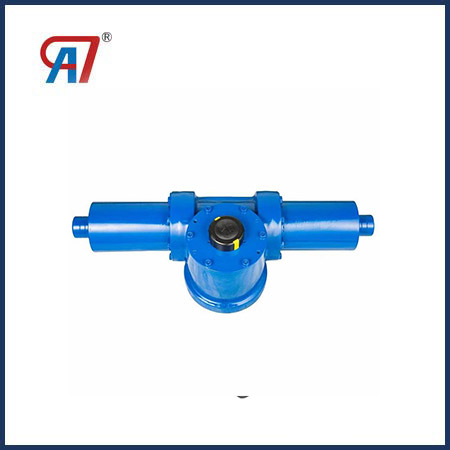
Explosive Atmospheres and Industrial Requirements
Explosive atmospheres are defined as environments where flammable substances are present in sufficient quantities to pose a risk of explosion. These atmospheres are commonly found in oil refineries, chemical plants, and industrial gas facilities. In such settings, equipment must be explosion-proof or intrinsically safe to prevent ignition sources. Electro-hydraulic actuators must meet stringent safety certifications to be considered for use in these hazardous areas. Standards such as ATEX and IECEx provide guidelines for equipment designed to operate in explosive environments.
Safety Standards for Electro-hydraulic Actuators
Several safety standards govern the use of electro-hydraulic actuators in explosive atmospheres. ATEX certifications ensure that equipment is suitable for use in Zone 0 and Zone 1 areas, where an explosive atmosphere may occur continuously or frequently. IECEx certifications are equivalent and recognized internationally. Compliance with these standards involves rigorous testing to verify the actuator’s resistance to ignition sources. Additionally, the housing, wiring, and sealing of the actuator must be designed to prevent the ingress of flammable substances.
Material and Design Considerations
The material and design of electro-hydraulic actuators play a vital role in their suitability for explosive atmospheres. Materials such as stainless steel and non-sparking alloys are commonly used to prevent static electricity buildup. Sealing mechanisms must be robust to prevent the entry of hazardous gases. The actuator’s design should also minimize the risk of arcing or sparks during operation. These considerations ensure that the actuator does not become an ignition source in a hazardous environment.
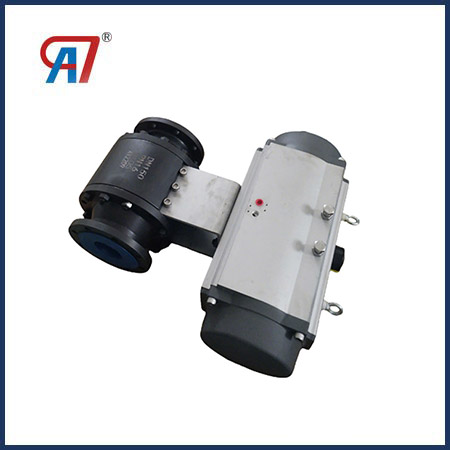
Alternative Solutions for Explosive Environments
In some cases, alternative solutions may be preferred over electro-hydraulic actuators. Pneumatic actuators, for example, use compressed air and are inherently safer in explosive atmospheres. However, electro-hydraulic actuators offer higher force and precision, making them suitable for heavy-duty applications. The choice between these options depends on the specific requirements of the industrial process. Consulting with experts in fluid power systems can help determine the most appropriate solution.
نتیجہ اور قدر کی پیشکش
Electro-hydraulic actuators can be suitable for explosive atmospheres when designed and certified according to industry standards. Safety certifications, material selection, and robust sealing mechanisms are critical factors to consider. While alternative solutions exist, electro-hydraulic actuators provide a balance of power and precision for demanding applications. By adhering to regulatory guidelines and working with trusted suppliers, industries can ensure the safe and efficient use of these actuators in hazardous environments. Investing in compliant equipment reduces operational risks and enhances workplace safety.
ہم سے رابطہ کریں
پتہ: کمرہ 203-1، دوسری منزل، بلاک A، نمبر 9، شِنچِن روڈ، شِنوو ضلع، ووشی شہر، جیانگ سو صوبہ، عوامی جمہوریہ چین
موبائل: 0086-188-5271-7918
Email:william@wxaccton.com
ویب سائٹ:www.actuator-china.com