
Can the actuator be configured for partial stroke test?
2026-07-15 بلاگ
The Importance of Partial Stroke Testing for Actuators in Industrial Applications
Actuators are critical components in various industrial systems, including those in the oil and gas, petrochemical, chemical, and water treatment industries. Ensuring their reliability and performance is essential for maintaining operational efficiency. One effective method for verifying actuator functionality is through partial stroke testing. This approach allows for a controlled and thorough examination of actuator performance without fully extending or retracting the mechanism. The ability to configure actuators for partial stroke testing offers significant advantages in terms of safety, maintenance, and overall system integrity.
Benefits of Configurable Partial Stroke Testing
Configurable partial stroke testing provides several key benefits for industrial applications. First, it reduces the risk of mechanical stress by limiting the movement of the actuator. This is particularly important in systems where excessive travel can lead to wear or damage. Additionally, partial stroke testing can help identify potential issues early in the maintenance cycle, preventing costly downtime. By allowing for precise control over the actuator’s movement, this method ensures that all critical components are tested without unnecessary strain. The versatility of this approach makes it suitable for a wide range of industrial environments.
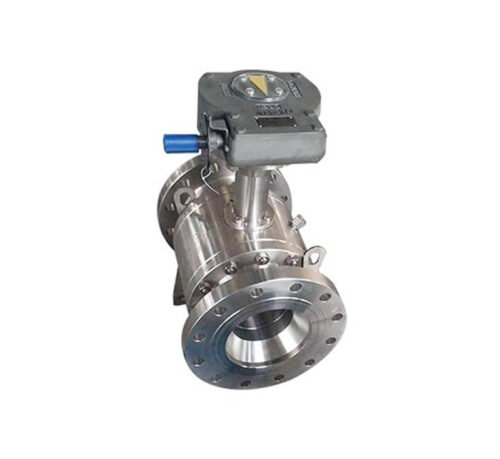
How Partial Stroke Testing Works
The process of partial stroke testing involves configuring the actuator to move through a limited range of motion. This is typically achieved through software settings that define the desired travel distance. Once configured, the actuator performs a partial stroke, allowing engineers to monitor its performance closely. Sensors and feedback mechanisms provide data on the actuator’s responsiveness, accuracy, and overall condition. This information is crucial for assessing the actuator’s readiness for full-scale operation. The testing can be repeated as needed, ensuring that the actuator remains in optimal working condition throughout its lifespan.
مختلف صنعتوں میں اطلاقات
Partial stroke testing is particularly valuable in industries where safety and precision are paramount. In oil and gas operations, for example, actuators are used to control valves in high-pressure environments. Configurable partial stroke testing helps ensure that these valves function correctly without risking catastrophic failure. Similarly, in chemical and petrochemical plants, actuators manage complex processes that require exacting standards. The ability to perform partial strokes allows for thorough testing without interrupting production. This makes the method ideal for industries where downtime is both costly and dangerous.
نتیجہ اور قدر کی پیشکش
In summary, the ability to configure actuators for partial stroke testing is a highly valuable feature in industrial applications. It enhances safety, extends equipment lifespan, and improves overall system reliability. By enabling precise control over actuator movement, this method provides engineers with a reliable tool for maintenance and testing. For businesses in the oil, gas, chemical, and water treatment sectors, investing in actuators with partial stroke testing capabilities is a prudent decision. It ensures operational efficiency and minimizes the risks associated with equipment failure. Ultimately, this technology offers a competitive edge by delivering superior performance and peace of mind.
ہم سے رابطہ کریں
پتہ: کمرہ 203-1، دوسری منزل، بلاک A، نمبر 9، شِنچِن روڈ، شِنوو ضلع، ووشی شہر، جیانگ سو صوبہ، عوامی جمہوریہ چین
موبائل: 0086-188-5271-7918
Email:william@wxaccton.com
ویب سائٹ:www.actuator-china.com