
Do pneumatic actuators need daily maintenance?
2026-09-03 بلاگ
Pneumatic actuators serve as critical components across countless industrial operations. In fact, they control valve movements in oil refineries, chemical plants, and water treatment facilities every single day. For this reason, facility managers often ask whether these devices require daily attention. The answer depends on several important factors, which we will explore in detail below. Understanding maintenance requirements helps companies avoid costly downtime and extend equipment lifespan significantly.
Do Pneumatic Actuators Require Daily Maintenance?
To start with the short answer, most pneumatic actuators do not need full daily maintenance. Instead, industry best practices recommend regular visual inspections rather than comprehensive servicing each day. That said, certain high-demand environments may justify more frequent check-ins. For example, actuators operating in extreme temperatures or corrosive atmospheres benefit from closer monitoring. Overall, a balanced approach combines daily visual checks with scheduled deep maintenance on a weekly or monthly basis.
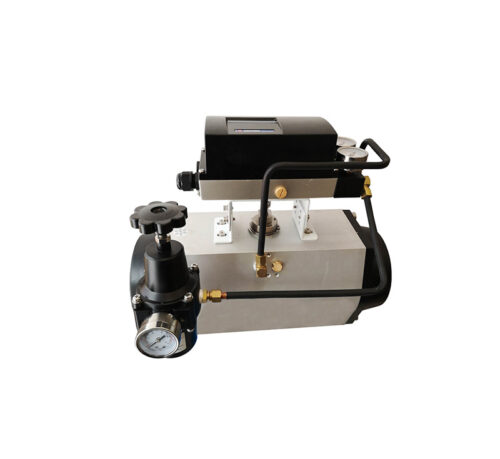
Key Daily Visual Inspection Tasks
First of all, operators should check for visible air leaks around the actuator body. Leaks often signal worn seals that can reduce performance over time. Additionally, they should verify that mounting bolts remain tight and properly aligned. Next, observing the actuator during operation helps identify unusual vibrations or abnormal sounds. Furthermore, confirming proper air pressure at the supply point prevents performance inconsistencies. Finally, documenting these daily observations creates a useful maintenance history for future reference.
Weekly and Monthly Maintenance Procedures
Moving beyond daily checks, weekly maintenance involves more thorough inspection routines. For instance, technicians should lubricate moving parts according to manufacturer specifications. Moreover, they need to test limit switches and positioners for accurate response times. On a monthly basis, crews should examine air filters and replace them when necessary. Additionally, calibrating valve position feedback ensures consistent operational precision. Importantly, these scheduled tasks reduce the need for emergency repairs throughout the year.
Factors That Increase Maintenance Frequency
Several conditions can justify more frequent maintenance than the standard schedule. First, actuators operating in dirty or dusty environments accumulate debris much faster. Similarly, facilities with high humidity levels face greater corrosion risks for metal components. Also, actuators that cycle hundreds of times per day experience accelerated wear on internal parts. Furthermore, applications involving corrosive chemicals or saltwater exposure require extra protective measures. In these cases, shifting from weekly to bi-weekly inspections often proves worthwhile.
Benefits of Consistent Pneumatic Actuator Maintenance
Regular maintenance delivers measurable benefits for industrial operations of all sizes. Most notably, it extends the overall service life of each actuator unit. Additionally, well-maintained actuators operate more efficiently, which reduces compressed air consumption. Furthermore, proactive inspections catch small issues before they develop into major failures. Consequently, companies experience fewer unplanned shutdowns and lower repair costs overall. Finally, proper maintenance supports compliance with industry safety standards and regulatory requirements.
Common Pneumatic Actuator Problems to Watch For
Certain issues appear more frequently than others in industrial settings. For example, air leakage represents the most common problem reported by maintenance teams. Similarly, slow response times often indicate problems with air supply or internal friction. Also, stuck valves can result from buildup or insufficient lubrication over time. Additionally, incorrect positioning may stem from faulty solenoid valves or misaligned linkages. Fortunately, most of these issues become apparent during routine visual inspections.
How to Establish an Effective Maintenance Schedule
Creating a proper maintenance schedule starts with reviewing manufacturer guidelines carefully. Each actuator model comes with specific recommendations based on its design and materials. Next, facility managers should assess their specific operating conditions and duty cycles. Then, they can adjust the baseline schedule to match their actual needs. Additionally, tracking performance data over several months helps refine the maintenance plan further. Finally, training staff on proper inspection techniques ensures consistent execution across all shifts.
Conclusion and Final Recommendations
In summary, pneumatic actuators generally do not require full daily maintenance procedures. However, daily visual inspections form an essential part of any comprehensive maintenance strategy. These quick checks take only minutes but can prevent serious operational issues down the line. For most industrial applications, combining daily observations with weekly and monthly servicing delivers optimal results. Ultimately, investing in regular pneumatic actuator maintenance protects equipment value, reduces operational costs, and keeps production running smoothly for years to come.
ہم سے رابطہ کریں
پتہ: کمرہ 203-1، دوسری منزل، بلاک A، نمبر 9، شِنچِن روڈ، شِنوو ضلع، ووشی شہر، جیانگ سو صوبہ، عوامی جمہوریہ چین
موبائل: 0086-188-5271-7918
Email:william@wxaccton.com
ویب سائٹ:www.actuator-china.com