
What common faults occur in pneumatic actuators?
2026-08-13 بلاگ
Common Faults in Pneumatic Actuators and How to Address Them
Introduction
Pneumatic actuators play a critical role in modern industrial fluid control systems. For this reason, unexpected failures can cause costly downtime across processing facilities. In practice, most issues develop gradually rather than appearing suddenly. Maintenance teams that recognize early warning signs can prevent most unplanned shutdowns. This guide explores the most frequent faults found in pneumatic actuators used in oil, gas, chemical, and water treatment applications. Furthermore, it provides practical insights for procurement and engineering professionals who specify and maintain these devices.
Air Supply Contamination and Pressure Issues
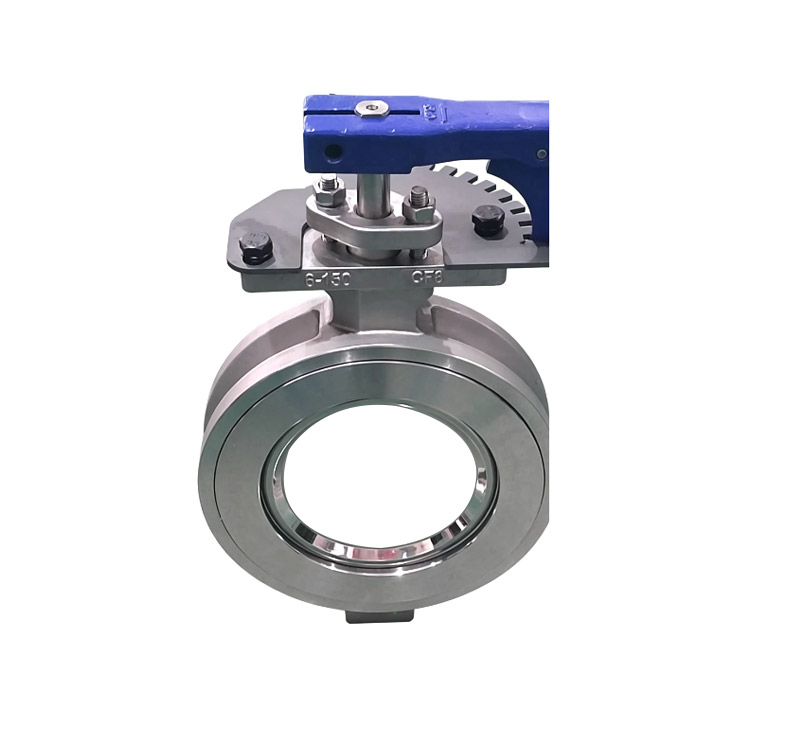
First among common problems is poor air quality reaching the actuator. Compressed air often carries moisture, oil particles, and solid debris from distribution lines. Over time, these contaminants clog internal passages and damage precision components. Similarly, inconsistent supply pressure prevents the actuator from delivering rated torque or thrust. Low pressure causes slow response or incomplete valve strokes, while excessive pressure accelerates seal wear. Facilities in dusty or humid environments face higher risk of air-related faults. Regular filter maintenance and dryer checks significantly reduce this particular failure mode.
Seal Leakage and Degradation
Moving to seal performance, leakage represents another widespread fault category. Pneumatic actuators rely on O-rings, gaskets, and piston seals to contain operating pressure. Naturally, these elastomer parts degrade with age, temperature cycling, and chemical exposure. External leaks appear as visible air escape around the shaft or housing joints. Internal leakage, by comparison, reduces efficiency without obvious external signs. Both types gradually weaken actuator output force and slow cycle times. In harsh chemical or high-temperature environments, seal life shortens considerably. Selecting compatible seal materials during procurement extends service intervals substantially.
Sticking and Jamming During Operation
Next on the list is mechanical sticking or jamming of moving parts. This fault typically stems from corrosion, misalignment, or foreign particle ingress. When an actuator sticks, it fails to move smoothly through its full stroke range. In some cases, the unit stops completely at a mid-stroke position. Corrosion forms inside the cylinder bore when moisture enters the air supply. Misalignment between actuator shaft and valve stem creates binding forces that worsen over time. Additionally, lack of periodic lubrication allows friction to build on contact surfaces. Proper installation alignment and scheduled lubrication prevent most sticking failures.
Spring Fatigue and Breakage
Turning to spring mechanisms, fatigue represents a less common but serious fault. Spring-return pneumatic actuators use mechanical springs for fail-safe closing or opening. Each full cycle compresses and releases the spring assembly, causing gradual metal fatigue. After millions of cycles, the spring loses tension or breaks entirely. Consequently, the actuator fails to return to its designated fail-safe position on air loss. High-cycle applications experience spring fatigue much faster than low-duty systems. Moreover, corrosive atmospheres accelerate spring degradation through surface rust formation. Periodic spring testing during maintenance catches fatigue before catastrophic failure occurs.
Positioning Inaccuracy and Drift
Shifting focus to control performance, positioning inaccuracy creates significant process problems. Pneumatic actuators paired with positioners should hold precise valve positions as commanded. However, worn linkages, loose fasteners, and calibration drift degrade accuracy over time. Small position errors may go unnoticed initially, but they impact process flow control quality. Eventually, the deviation becomes large enough to affect product quality or system stability. Frequent process adjustments often indicate underlying actuator positioning faults. Regular recalibration and linkage tightening restore accurate positioning performance.
Corrosion and Structural Wear
Finally, general corrosion and structural wear affect long-term actuator reliability. Facilities processing corrosive chemicals or operating near coastal areas face elevated risk. External corrosion attacks the housing, mounting hardware, and fastener connections. Internal corrosion, meanwhile, damages cylinder walls and piston surfaces. Both forms of corrosion increase friction and weaken structural integrity over extended periods. Abrasive particles in process environments also cause accelerated wear on exposed moving surfaces. Selecting appropriate housing materials and protective coatings directly extends actuator service life.
Conclusion and Practical Recommendations
In summary, pneumatic actuators encounter several predictable fault patterns during normal service life. Air contamination, seal degradation, mechanical sticking, spring fatigue, positioning drift, and corrosion represent the most common issues. Fortunately, most of these faults develop slowly enough for proactive detection. For procurement and engineering professionals, understanding failure modes supports better specification decisions. Regular preventive maintenance programs catch problems before they cause unplanned production downtime. Additionally, selecting quality components matched to operating conditions reduces overall failure rates significantly. Facilities that apply these practical insights achieve higher reliability and lower total ownership costs for their pneumatic actuator fleets.
ہم سے رابطہ کریں
پتہ: کمرہ 203-1، دوسری منزل، بلاک A، نمبر 9، شِنچِن روڈ، شِنوو ضلع، ووشی شہر، جیانگ سو صوبہ، عوامی جمہوریہ چین
موبائل: 0086-188-5271-7918
Email:william@wxaccton.com
ویب سائٹ:www.actuator-china.com